Mullin's Secret Stress Ball: Unseen Nerves at DHS Hearing
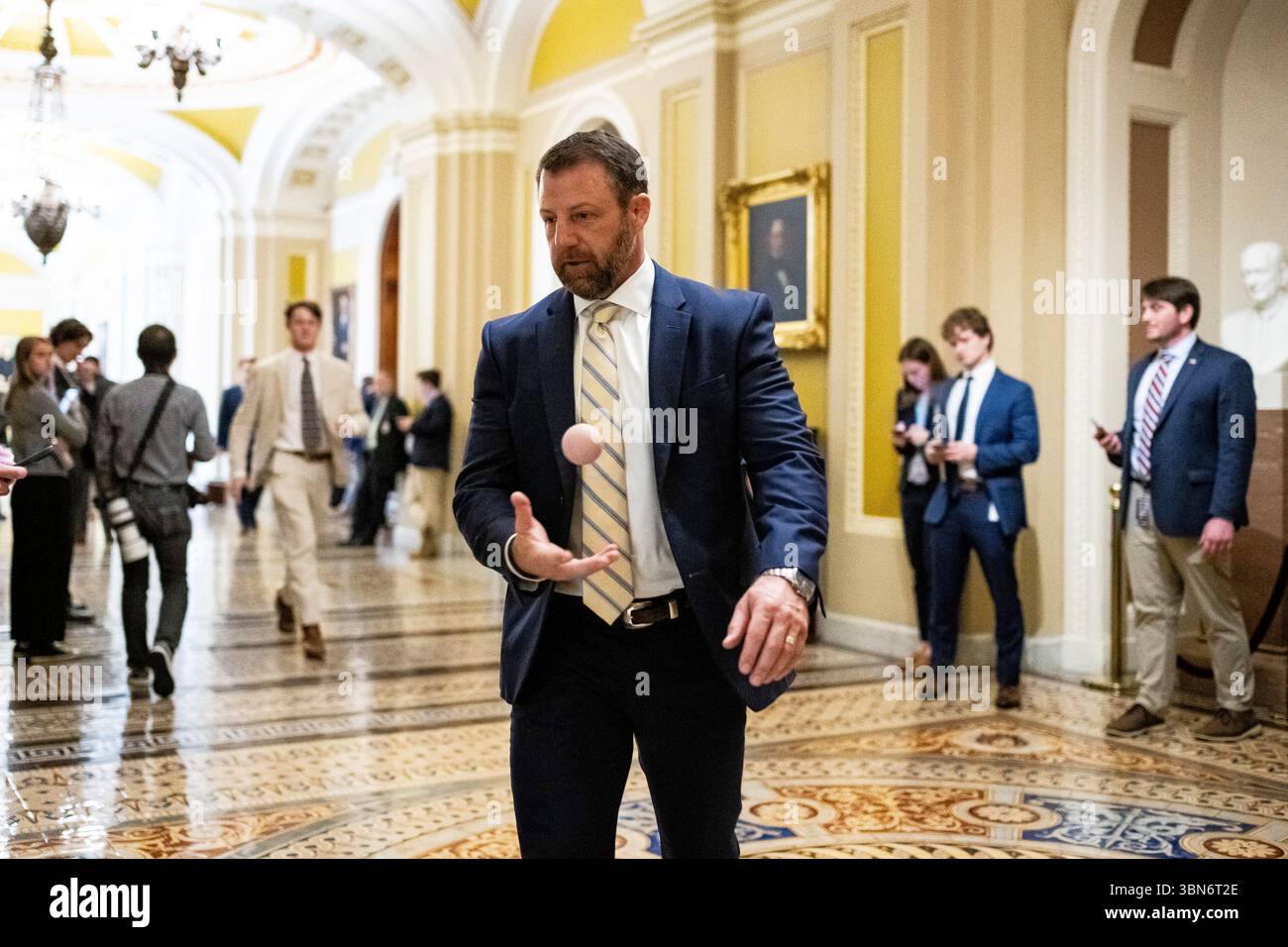
In the high-stakes arena of Senate confirmation hearings, every gesture, every nuance, is scrutinized. Yet, sometimes, it's the subtle, almost imperceptible actions that reveal the most about the immense pressure bearing down on a nominee. Such was the case during Senator Markwayne Mullin's pivotal confirmation hearing for Secretary of Homeland Security. While the nation focused on his policy pronouncements and combative exchanges, a quiet, telling observation surfaced: the senator mullin secret — a stress ball clutched covertly in his hand. This seemingly minor detail offered a rare glimpse into the unseen nerves of a seasoned politician facing what he described as his first time on such a major national stage, exposing the human element beneath the political veneer.
The Unseen Pressure: A Senator's Secret Coping Mechanism
The image of Senator Mullin, a 48-year-old Republican who has represented Oklahoma in Congress for over a decade, surreptitiously gripping a stress ball resonated deeply. It wasn't a public declaration of anxiety but a quiet, almost involuntary act of self-soothing amidst intense questioning. This senator mullin secret highlighted that even individuals accustomed to the glare of public life are susceptible to the immense psychological toll of high-stakes situations. Mullin's extensive experience in the U.S. House and now the Senate would suggest a hardened demeanor, yet the confirmation hearing for arguably the government's third-largest department, responsible for critical issues from border security to counter-terrorism, presented a unique level of scrutiny and pressure.
The act of clutching a stress ball is a widely recognized mechanism for managing acute stress. Physiologically, it can help dissipate nervous energy, improve focus by providing a physical anchor, and even subtly lower heart rate. For Mullin, this private coping strategy spoke volumes about the weight of expectation and the personal investment in his nomination. It underscored that beyond the prepared statements and policy debates, there's a human being grappling with the enormity of the role and the personal attacks that often accompany such public service. This small, unscripted moment provided a powerful contrast to the often-stoic facade expected of political figures, making his subsequent emotional moments at the hearing feel all the more authentic.
Navigating the DHS Minefield: Policy, Temperament, and Trump's Agenda
Beyond the personal revelation of the stress ball, the hearing itself was a political tightrope walk for Mullin. Nominated to replace the controversial former DHS Secretary Kristi Noem, Mullin faced the daunting task of reassuring skeptical Democrats while aligning himself with President Donald Trump’s hard-line immigration priorities. The Department of Homeland Security, under Noem, had been "roiled by controversy," and Mullin aimed to project a "steady hand." However, his path was fraught with challenges.
Democrats had already halted routine funding for DHS, demanding restraints on immigration officers, especially after the deaths of American citizens at the hands of federal agents. Mullin, while pledging to protect everyone as Secretary, implicitly signaled his intent to pursue Trump's agenda of mass deportations, an issue at a crossroads with a public increasingly wary of aggressive enforcement. He was pressed on specific policies, including whether he would enforce a 3,000-a-day quota for immigration arrests (which he denied had been set for him) and the use of administrative warrants for home entry by federal officers, promising to require judge-signed warrants except in limited circumstances.
A notable moment came with Mullin's retraction of a past comment where he described Alex Pretti, a Minneapolis man killed by federal immigration officers, as "deranged." He conceded, "I shouldn’t have said that and as secretary, I wouldn’t," demonstrating an attempt to temper his public persona. Yet, his combative style, which manifested in a heated exchange with the committee chair, and his unwavering loyalty to the president meant that concerns about his temperament and how he might revamp a troubled department central to Trump's deportation agenda persisted. Despite emotional moments where he spoke of his family's relationship with Trump and his commitment to the president's goals, Mullin maintained his vision: "My goal in six months is that we’re not in the lead story every single day."
Beyond the Stress Ball: Understanding Public Appearances and Authenticity
The stress ball incident became more than a fleeting observation; it served as a lens through which to view the broader dynamics of public scrutiny and authenticity in political life. For the public, such a humanizing detail can cut through the often-impersonal nature of politics, fostering a momentary connection with the struggles of powerful individuals. It reminds us that even those holding immense power are not immune to pressure.
For individuals in any high-pressure environment, Mullin's quiet coping mechanism offers a valuable lesson: acknowledging and managing stress is not a weakness but a practical necessity. Whether it's a stress ball, deep breathing exercises, a quick walk, or even just a moment of mental grounding, having a personal strategy can significantly impact performance and well-being. Leaders are often expected to project an image of unshakeable confidence, but a glimpse of vulnerability, like the `senator mullin secret`, can sometimes resonate more profoundly with the public, revealing a candidness that polished speeches often lack.
This incident also highlights the intense scrutiny public figures endure. Every word, every non-verbal cue, is analyzed, sometimes magnifying minor actions into significant talking points. For anyone preparing for a high-stakes presentation or interview, understanding this level of observation is crucial. Practicing stress reduction techniques, thorough preparation, and even having a discreet coping mechanism can be vital tools for maintaining composure and focus when it matters most.
The High Stakes of Homeland Security Leadership
Ultimately, the stress ball incident, while fascinating, underscored the monumental importance of the Department of Homeland Security and the qualities required of its leader. The issues Mullin addressed—from immigration enforcement to border security, funding disputes, and civil liberties concerns—are among the most complex and emotionally charged facing the nation. The Secretary of Homeland Security must not only navigate these intricate policy landscapes but also possess the temperament to lead a vast workforce and reassure a diverse public.
Mullin's confirmation hearing was a crucible, testing his resolve, his policy acumen, and his capacity for leadership under fire. His mixed signals—softened rhetoric on some contentious policies juxtaposed with staunch loyalty to Trump's agenda and moments of both emotional candor and combative defensiveness—left observers with a complex portrait. The `senator mullin secret` of the stress ball, therefore, serves as a poignant reminder that behind every policy debate and every political maneuver, there's an individual grappling with profound responsibilities and the very real pressures of public service.
Conclusion
Senator Markwayne Mullin's confirmation hearing for DHS Secretary was a multifaceted event, blending intense policy discussions with revealing glimpses into the nominee's personal demeanor. The subtle act of clutching a stress ball emerged as a powerful, albeit quiet, symbol of the immense pressure Mullin faced. This senator mullin secret humanized a figure navigating the complex political landscape of immigration policy, departmental funding, and the legacy of a controversial predecessor. It underscored that even the most seasoned politicians experience vulnerability, offering a valuable insight into the unseen challenges of public life and the constant scrutiny under which leaders operate. As the nation continues to debate the future of homeland security, Mullin's hearing, and the small, telling detail of his stress ball, will remain a memorable chapter in the ongoing narrative of political leadership and human resilience.